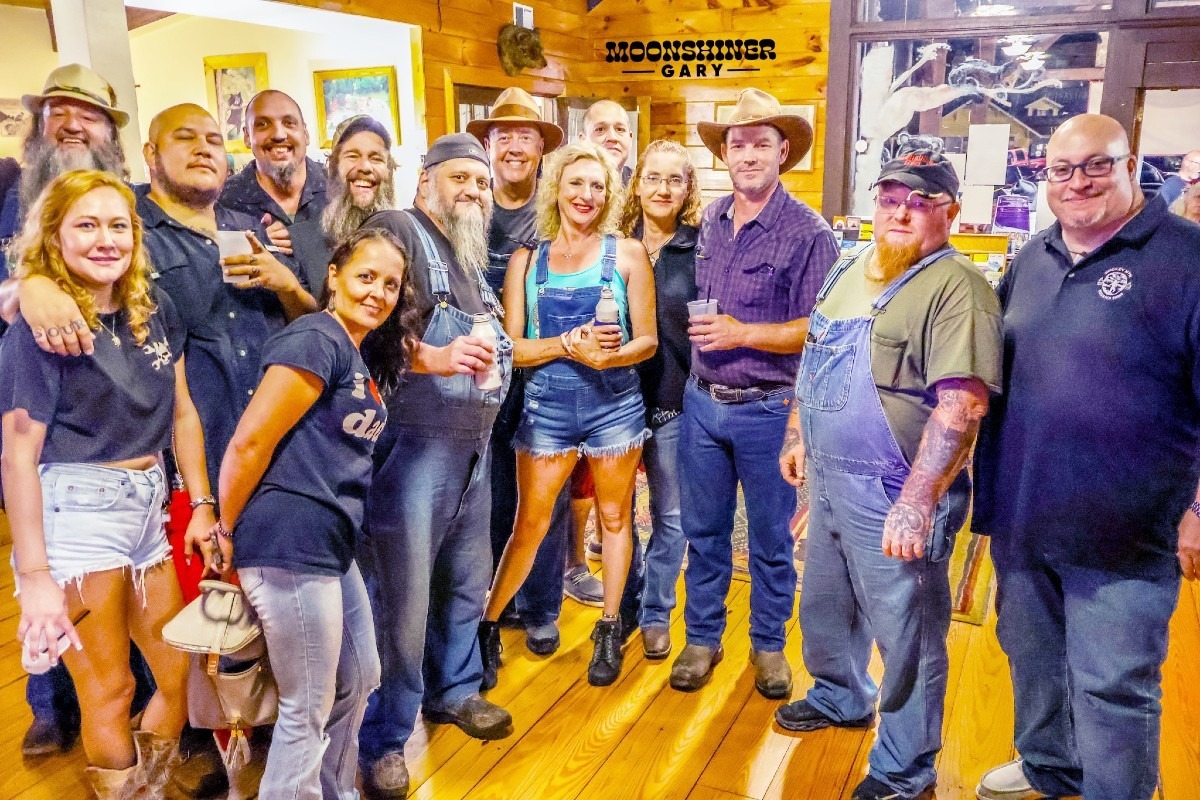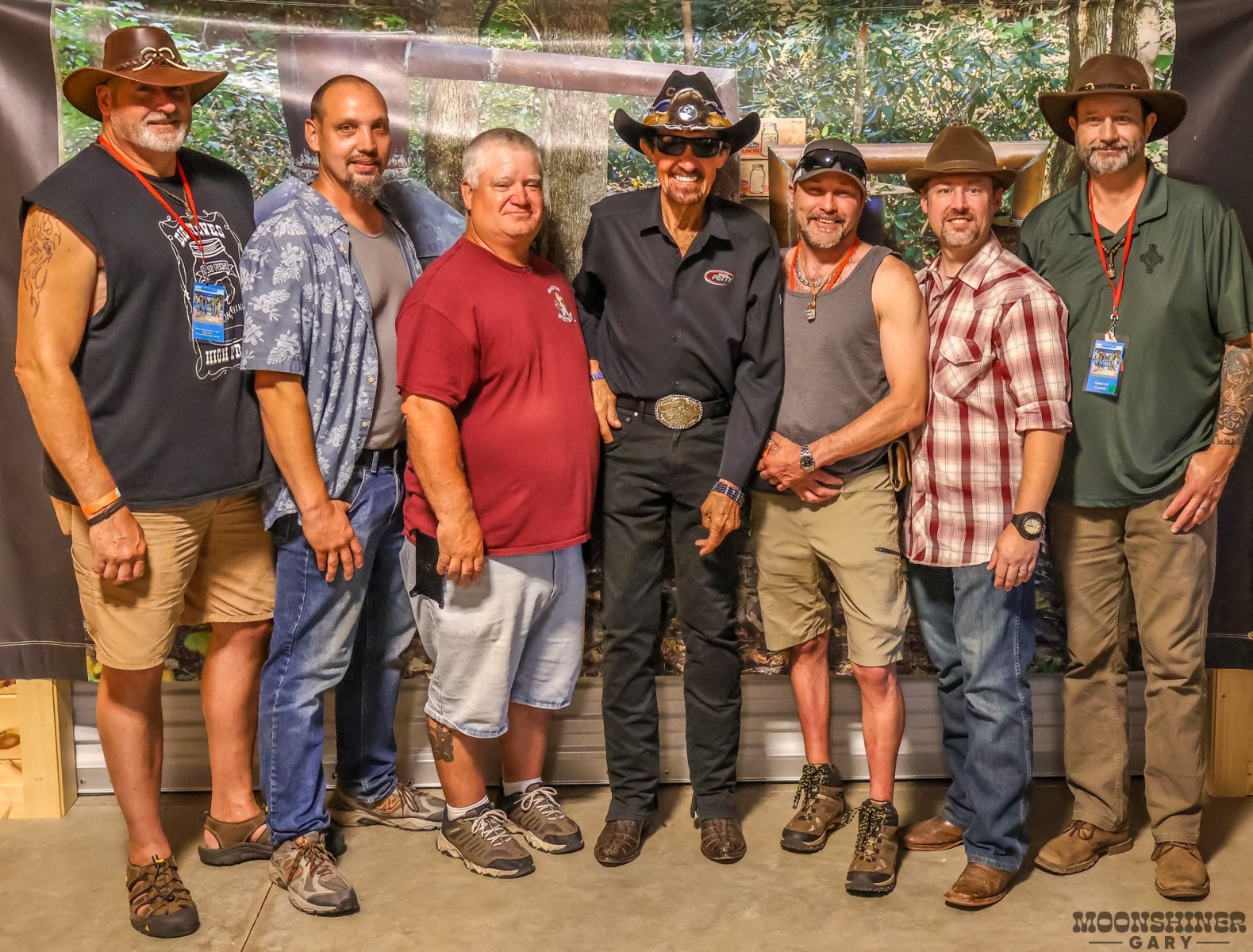

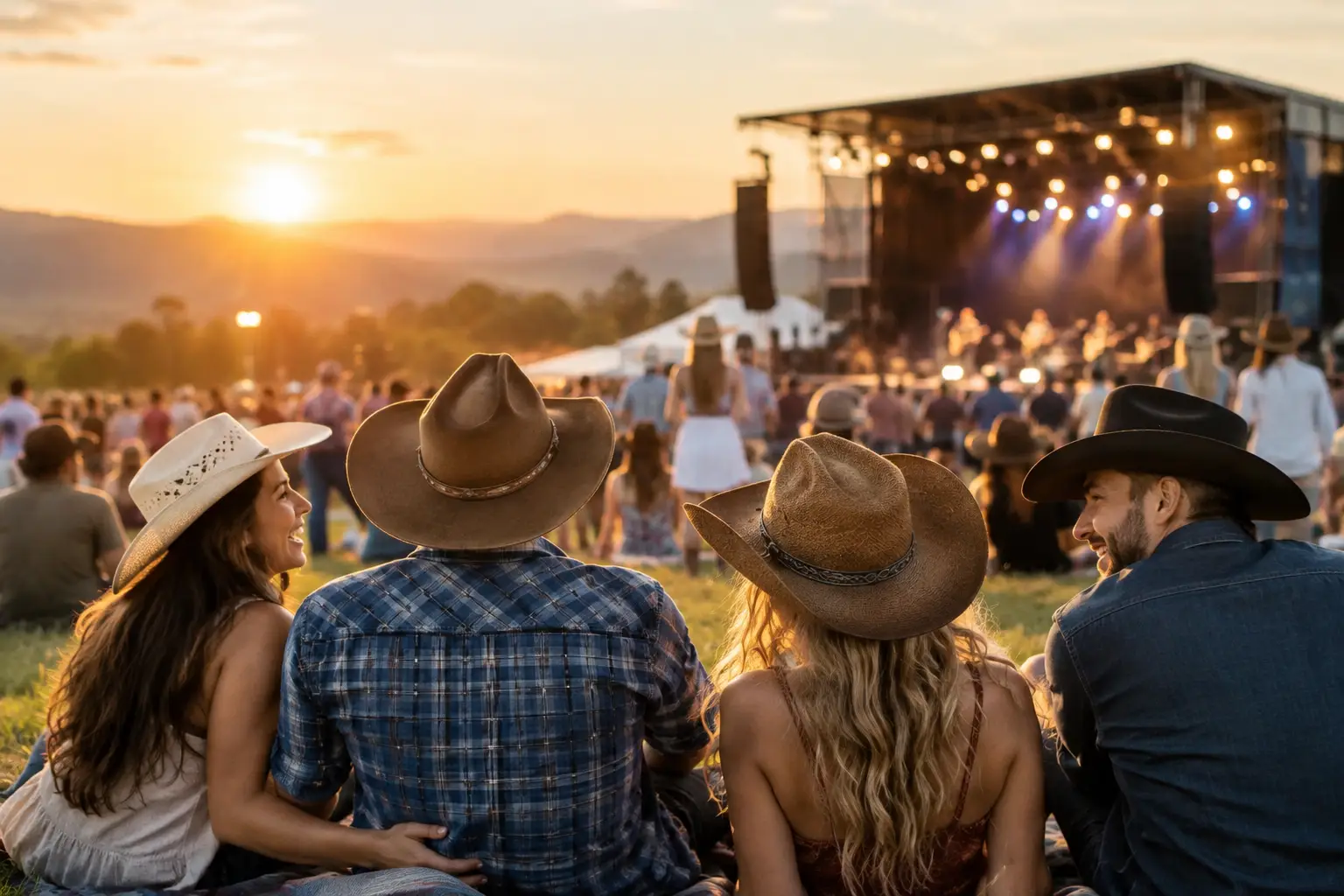
The best country music festivals do not start when the headliner walks onstage. They start in the campground at daylight, when somebody is firing up a skillet, somebody else is tuning a guitar, and a stranger waves you over like they have known you since kindergarten. That is the part the ticket stub cannot explain. A good festival is not just a concert with more mud. It is a temporary small town built on songs, stories, tailgates, and the simple understanding that folks ought to look out for one another.
Sure, there are big stages, bright lights, cold drinks, and enough pickup trucks to make a parking lot look like a county fair. But country music festivals matter because they give people a place to show up as they are. Work boots or cowboy boots, farm kid or factory hand, city transplant or lifelong backroad resident – if the music hits home, you belong in the crowd.
Why Country Music Festivals Hit Different
Country music has always carried real life in its pocket. It sings about love, loss, faith, Friday nights, worn-out hands, hometown roads, and the kind of memories that show up every time a certain song comes through the speakers. Hearing that music alone in a truck can get you through a long day. Hearing it with thousands of people singing every word back to the stage is something else entirely.
For a few hours, a song about a broken heart becomes a field full of folks remembering their own. A tune about hometown pride gets louder when it is sung beside people from every corner of America who all know what it means to miss the place that raised them. Ain’t that the truth? The details may change from a Tennessee hollow to a Montana ranch or an Indiana cornfield, but the feeling is familiar.
That shared feeling is why festivals can leave a mark long after the final encore. People come for an artist they love, then go home talking about the veteran they met by the food stand, the family camped beside them, or the young singer on an early-afternoon stage who played like their whole future depended on it. Sometimes it probably did.
More Than a Party in a Field
Let’s fire the fluff: country festivals can be a whole lot of fun, and there is nothing wrong with that. A weekend outdoors with friends, good food, and loud music is a fine way to spend your time. But calling it only a party misses the heart of it.
Many festivals bring real business to communities that work hard for every dollar. Hotels fill up. Campgrounds get busy. Local diners serve breakfast before sunrise. Convenience stores sell ice by the mountain, and small vendors get the kind of exposure that can carry them well past one weekend. The folks making barbecue, printing shirts, parking cars, fixing generators, cleaning grounds, and keeping everybody safe are part of the show too.
The best events also make room for the people who are still earning their place. A festival bill may bring in established stars, but smaller stages can introduce fans to singers, songwriters, bluegrass pickers, and hometown bands with something honest to say. Country music needs that pipeline. If every crowd only comes for names already printed in giant letters, we lose the next generation before they get their shot.
There is a trade-off, of course. Bigger festivals can bring bigger crowds, higher prices, and more logistics than an old-fashioned gathering at the fairgrounds. Not everybody wants to wrestle traffic, long lines, or a campsite that feels like it is three counties from the main stage. Smaller festivals often offer more breathing room and a closer connection to the music, while major events can deliver a once-in-a-lifetime lineup. Neither is automatically better. It depends whether you want a wild weekend, a family-friendly outing, a songwriter-heavy bill, or a little bit of all of it.
The Unwritten Rules of a Good Festival Crowd
Country people have a reputation for hospitality because, by and large, it is earned. That same spirit ought to travel through the gates with every festivalgoer. You do not have to know everybody, but you should act like you might need them someday.
If somebody is struggling with a tent in the wind, lend a hand. If a neighbor forgot sunscreen, share what you have. If a family has kids trying to see the stage, do not plant yourself in front of them like a fencepost. Keep your campsite decent, clean up after yourself, and remember that the hardworking crew behind the event deserves respect. Being country is not an excuse to act foolish. It is a reason to show some manners.
That goes double when the weather turns. Rain, heat, dust, and mud are all part of the festival gamble. A muddy field can make for a legendary story, but it can also make walking difficult and conditions uncomfortable. Good Lord, no one ever bragged about being unprepared for a thunderstorm. Check the event rules, watch the forecast, bring water, protect your hearing, wear shoes that can handle rough ground, and have a plan for getting back to camp after dark.
If you are bringing children, choose the event with care. Some festivals are built around camping families, daytime activities, and a laid-back pace. Others run later, louder, and rowdier. There is no shame in picking the one that fits your crew. A great time is not measured by how exhausted you are when you leave.
How to Get the Most From Country Music Festivals
The folks who have the best festival weekends are not always the ones with the closest parking spot or the fanciest camper. They are usually the people who show up ready to enjoy what is in front of them. That means leaving room for the unexpected.
See the opener. Walk through the vendor area. Try the local food instead of hunting for the same chain meal you can get back home. Talk to the folks camped nearby, especially if they look like they are setting up for the first time. You do not have to force friendships, but a simple “How y’all doing?” has started many a fine weekend.
It also helps to pace yourself. Festivals are marathons, not a race to see who can holler the loudest before supper. Eat real food, drink water, take breaks from the heat, and know where your people are. A little common sense keeps a good memory from turning into a hard lesson.
Most of all, listen with your whole heart. Put the phone down for a few songs. Take a picture or two, sure, but do not spend the entire show staring at a screen while life happens ten feet away. The video may catch the chorus. It will not catch the feeling of a crowd raising its voice together under an open sky.
Keeping the Country Spirit Alive
Country music festivals are often treated like seasonal entertainment, something to check off between spring and fall. But they can do more than fill a weekend. When they support local workers, welcome rising artists, respect the land, and treat guests like neighbors, they keep a piece of American culture alive.
They remind us that community does not require everybody to agree on everything. Sometimes it is as simple as sharing shade, offering a chair, singing the chorus, and giving another person room to enjoy the night. In a world that can feel mighty divided, a field full of strangers singing the same song is no small thing.
So grab your people, pack for the weather, and go find a festival that feels right for you. Show up ready to have fun, lend a hand when it is needed, and leave the place better than you found it. That is how a weekend of music becomes a memory worth carrying home.