
A packed festival street does not happen because somebody made a Facebook event three days before the gates opened. If you want to know how to promote a small town festival, start with this truth: people show up for something they feel connected to. They come for the music, the food, the trucks, the crafts, and the kids’ activities. But they remember the feeling that their town put on something worth being proud of.
That is good news for small-town organizers. You do not need a big-city ad agency, a celebrity endorsement, or a marketing budget with more zeroes than sense. You need a clear story, a steady promotional rhythm, and local people willing to carry the word farther than your own committee ever could.
Give Folks a Reason to Care
Before printing a poster or boosting a post, get plain about what makes your festival worth the drive. “Annual Fall Festival” tells people when it is. It does not tell them why they should load up the family, spend their Saturday, and maybe fight for parking.
Your event needs a hook people can repeat in one breath. Maybe it is the region’s best old-time music lineup, a mountain heritage celebration, a ramp supper, a sanctioned barbecue cook-off, a tractor parade, or a homecoming that brings scattered locals back down the holler. Pick the real thing. Do not dress up a modest community gathering like it is Bonnaroo. Folks can smell borrowed hype a mile off.
Build your promotion around a few specific promises: what visitors will experience, who will be there, and what makes it local. A festival with a strong identity gives every vendor, sponsor, musician, volunteer, and attendee something easy to talk about.
How to Promote a Small Town Festival Before It Is Close
The biggest mistake is treating promotion like a last-minute chore. By the time you are hanging banners two weeks out, many families already have plans. Start the public conversation eight to twelve weeks ahead when possible. Larger heritage festivals may need six months or more, especially if they depend on travelers, overnight stays, or sought-after vendors.
First, make sure every piece of information matches. Your date, location, hours, admission price, parking directions, rain policy, vendor details, and main attractions should be easy to find and stated the same way everywhere. Nothing kills momentum faster than three different start times floating around town.
Then create a simple content calendar that keeps the event alive without pestering people every day. Early on, tell the story of the festival and announce the date. As the event gets closer, introduce performers, vendors, contest entries, volunteers, local food, and behind-the-scenes work. In the final two weeks, focus on useful details and a healthy dose of urgency.
A good post does more than say, “Come out!” Show the woman who has made apple butter for the festival since 1989. Let the young bluegrass band play a quick porch tune. Post a photo of last year’s parade with the sidewalks full. That is the kind of material people share because it feels like home.
Use Social Media Like a Front Porch, Not a Billboard
Facebook still matters in a whole lot of rural communities, especially for reaching parents, grandparents, local businesses, and civic groups. Create one official event page and keep it current. Pin your essential information. Answer questions quickly. Ask partners and committee members to share official posts instead of making up their own versions of the details.
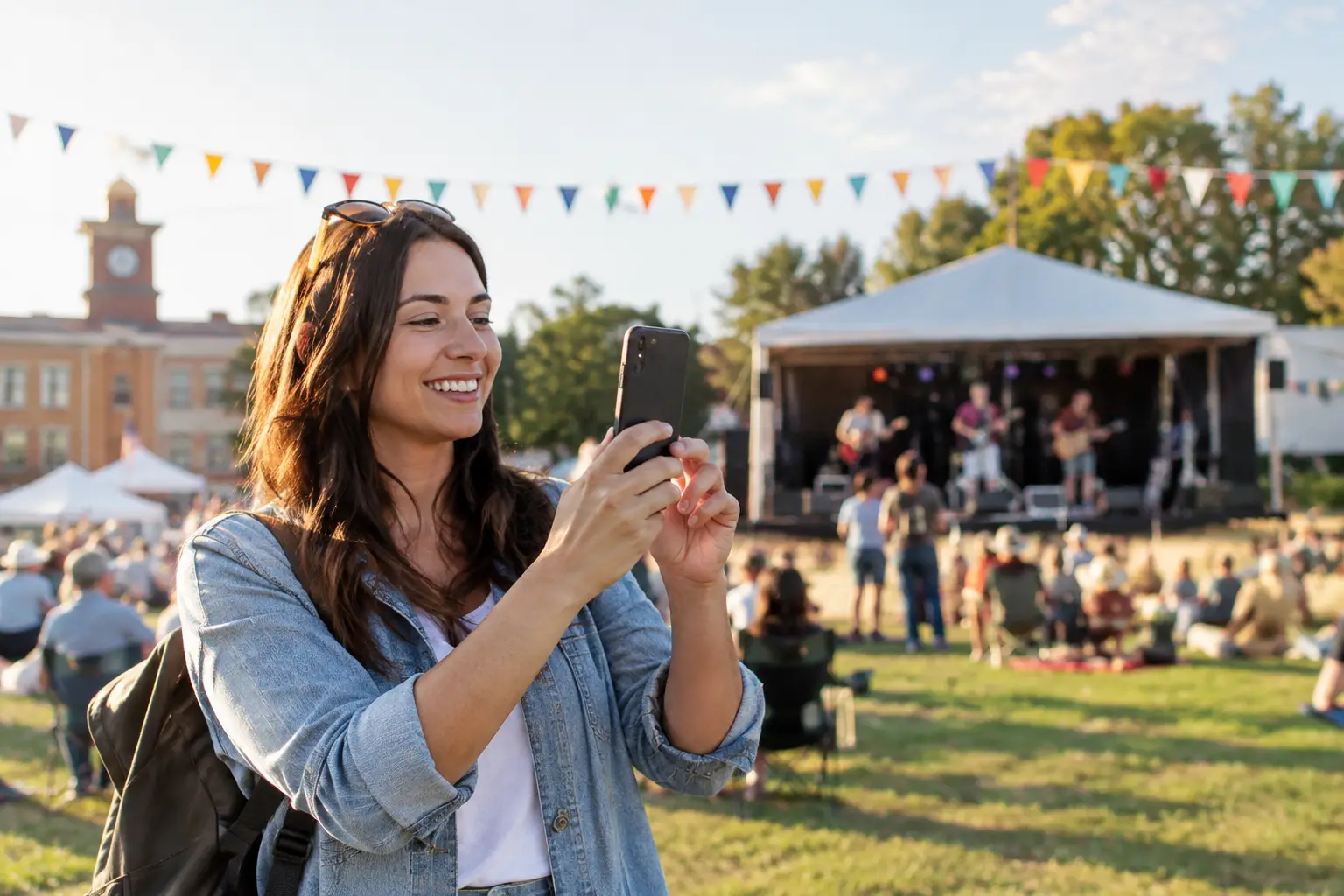
Instagram and short-form video can help you reach younger visitors, but polished does not always beat genuine. A phone video of the festival grounds coming together, a vendor stacking jars of sorghum, or the soundcheck before a Friday night concert can do more work than a fancy graphic with tiny unreadable text.
Use social media to invite participation. Ask followers to share old festival photos, nominate a hometown hero for recognition, vote on a T-shirt color, or tag the person they always meet at the fairgrounds. People promote what they feel part of.
Put Local Partners to Work
Your committee should not be the only engine pulling this wagon. A festival becomes more believable when trusted local voices stand behind it.
Build a partner list well before the event. Ask businesses, schools, churches, volunteer fire departments, libraries, tourism offices, music venues, youth teams, and civic clubs for a specific kind of help. “Help us promote” is vague. “Can you put this counter card by the register, share this post Friday, and include the date in your newsletter?” gets results.
Sponsors deserve more than a logo crammed into a poster footer. Give them a story to tell. A hardware store might sponsor the kids’ woodcraft tent. A local bank might back the shuttle service. A restaurant might create a festival special for the weekend. When a business has a real role, its employees and customers become part of your outreach.
Do not overlook regional radio, community calendars, local newspapers, school newsletters, and bulletin boards at diners and feed stores. Digital promotion travels fast, but physical reminders still catch people where they live their actual lives. A clean flyer at the right country store can reach somebody who never saw your reel.
Make It Easy for People to Say Yes
A strong crowd depends on more than interest. People need to know whether they can park, bring a stroller, bring a dog, find a restroom, pay with cash or card, and leave without sitting in traffic for an hour. If the practical stuff is a mystery, some folks will stay home.
Put those answers in your promotional material early and repeat them as the date nears. If parking is limited, say so and explain the shuttle. If the event is free, say it big. If there is an admission fee, explain what it supports. If weather changes are possible, tell people where official updates will appear.
Think about the visitor who has never been to your town. They may know the headline act but not which road leads to the festival grounds. Clear directions, visible signs, volunteer parking crews, and a welcoming entrance are promotion too. Word of mouth after the event is earned on the ground.
Give the Festival a Face
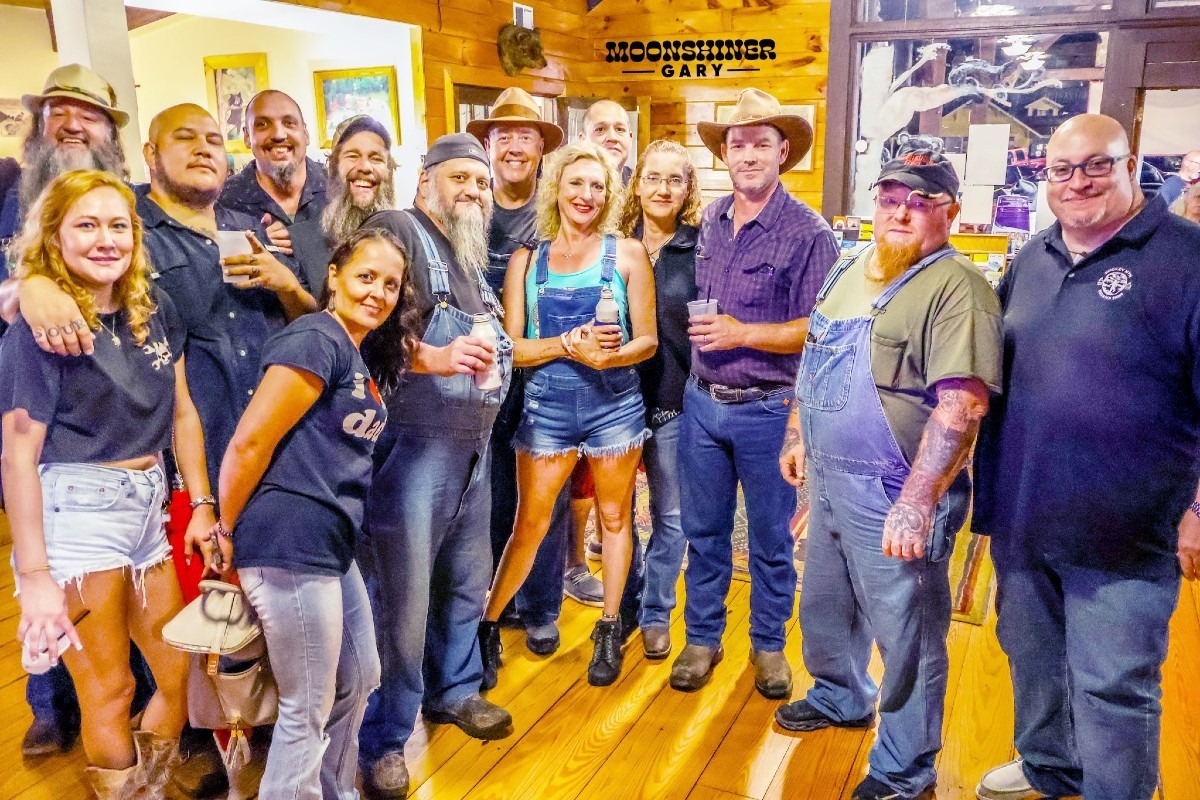
A faceless organization is harder to root for. Let people see the folks doing the work: the organizer booking bands after getting off a shift, the retired teacher running the heritage exhibit, the teenagers cleaning up the grounds, the family that has sold kettle corn for a decade.
Those stories do not need to be syrupy. Keep them honest. Tell people what the festival protects, funds, celebrates, or brings back to town. Maybe proceeds repair the community center. Maybe the event gives local makers a place to sell. Maybe it keeps old music and mountain stories in front of the next generation. That purpose gives your promotion some backbone.
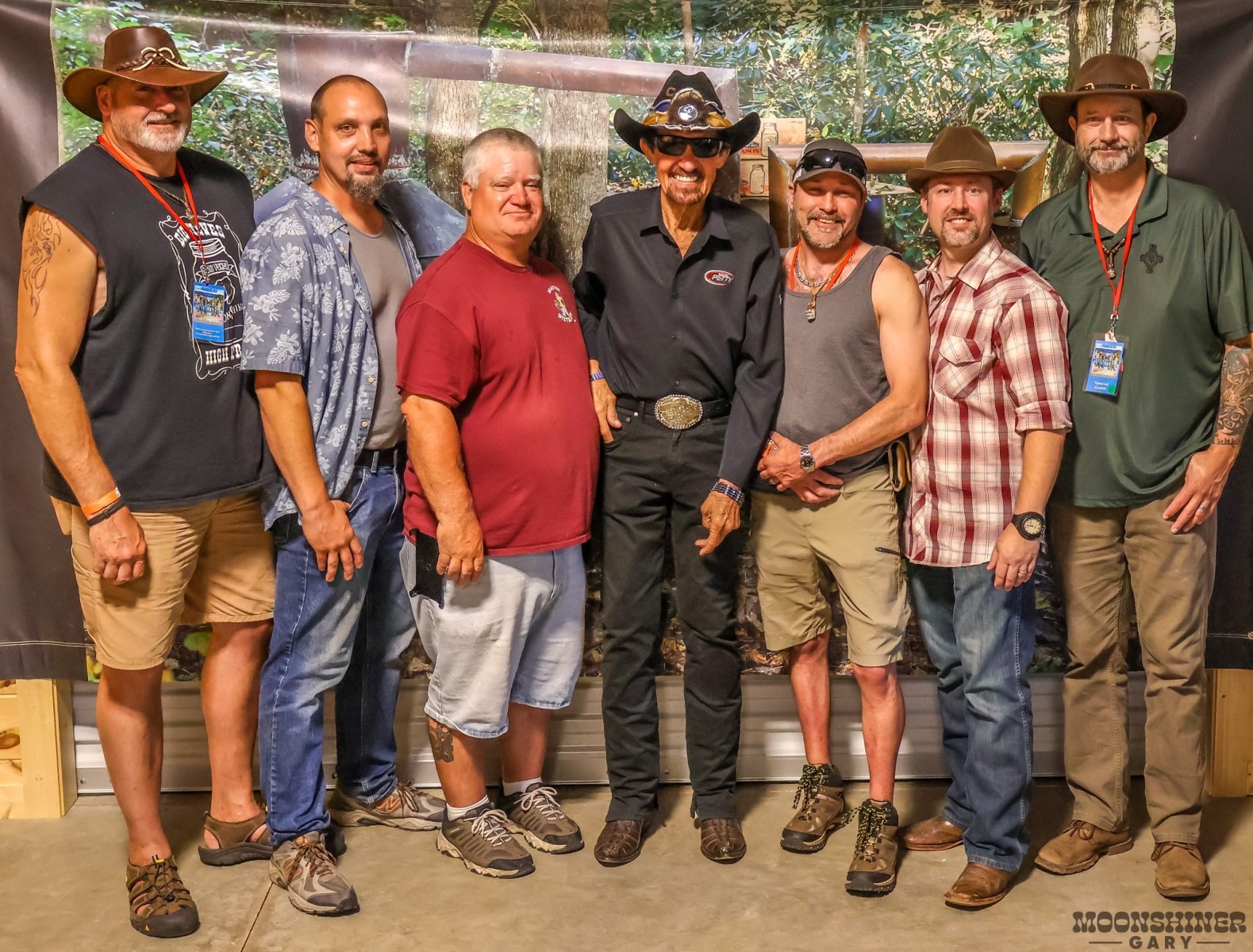
If you have the capacity, invite local personalities to help carry the message. A respected musician, coach, business owner, veteran, or longtime volunteer can record a short invitation that lands harder than a generic ad ever will. Backwoods America was built on that same idea: real people and local stories have more pull than corporate fluff.
Spend Money Where It Can Actually Move the Needle
Paid promotion can help, but only after the basics are solid. Do not throw money at a weak message, missing event details, or an empty social page. Fix those first.
For many small festivals, a modest paid social campaign targeted to nearby counties is smarter than trying to reach the whole state. Widen the radius if your lineup or attraction truly gives people a reason to travel. A major bluegrass act, a rare regional tradition, or a large-scale food competition may justify broader reach. A neighborhood pumpkin festival probably needs to own its home county before chasing tourists three hours away.
Set aside some budget for unglamorous but effective pieces too: roadside signage where allowed, printed rack cards, local radio mentions, and professional photos or video during the event. That last part matters. Next year’s promotion begins while this year’s crowd is dancing, eating, laughing, and filling the street.
Keep the Word Going After the Last Song
Do not disappear once the tents come down. Within a few days, post a sincere thank-you and photos that make attendees want to find themselves in the crowd. Thank sponsors, vendors, performers, volunteers, public safety crews, and visitors by name when practical.
Pay attention to what people mention without being asked. Were they thrilled by the music but frustrated by parking? Did vendors have a great day? Did families ask for more shade, more seating, or a later start time? Promotion brings folks in, but a better experience brings them back and turns them into your loudest ambassadors.
The best small-town festival marketing is not about pretending your town is something it is not. It is about showing the good stuff with enough pride and enough planning that nobody can miss it. Give people a true story, make the details easy, and put the invitation in the hands of the people who already love the place. Then get ready to make room on the sidewalk.