
The best old-fashioned country traditions worth preserving usually do not come with a big speech, a fancy sign, or a social media campaign. They show up when somebody’s truck is stuck in a ditch and three folks pull over before the tow truck gets called. They show up in a kitchen full of flour, in a front porch full of stories, and at a little league game where half the crowd knows every kid on the field.
That kind of life is not perfect. Never was. But plenty of country habits still carry more sense than a goat in a garden, and they are worth passing along before they get traded for convenience, noise, and folks who cannot name their neighbors.
The Country Code of Helping Without Keeping Score
In rural America, lending a hand has long been less of a grand gesture and more of a regular Tuesday. A neighbor needs hay brought in before a storm. Somebody’s fence is down. An elderly couple needs a ramp built. Folks show up with gloves, chainsaws, casseroles, and enough opinions to fill a grain bin.
That is not charity for show. It is mutual survival, plain and simple. Country people have always understood that hard times can hit anybody: a bad harvest, a busted water heater, an injury, a house fire, or a family loss. When trouble rolls in, the right response is often, “What do you need?” not “What’s in it for me?”
Preserving this tradition does not mean ignoring professional help or expecting people to carry burdens they cannot handle. It means keeping a neighbor-minded reflex. Check on the widow down the road. Offer a ride. Buy supper after a funeral. Teach young people that being dependable is a form of wealth.
Passing Down Skills That Actually Matter
A person does not need to churn butter by lantern light to respect practical know-how. Still, there is something mighty valuable about knowing how to fix a loose gate, plant a tomato, sharpen a pocketknife, sew on a button, change a tire, cook a meal from scratch, or keep calm when the power is out.
These skills build confidence because they turn a problem into a task. That matters whether you live on a farm, in a mountain hollow, or in a subdivision ten minutes from town. Self-reliance is not about refusing help. It is about doing what you can before throwing your hands up and waiting for somebody else to rescue you.
Let the Young Ones Get Their Hands Dirty
Kids learn responsibility by being trusted with real work, not just by hearing lectures about it. Give them a small garden patch. Let them help stack firewood, wash the truck, feed animals, carry groceries to a neighbor, or stir the chili while somebody explains why Grandma always used that old cast-iron skillet.
They may grumble. Lord knows, plenty of us did. But someday they will understand that those chores were not punishment. They were lessons in showing up, finishing what you start, and taking care of what has been placed in your hands.
Supper at the Table, Not Just Food on the Run
The country supper table has always been part kitchen, part classroom, part comedy club. It is where somebody tells a hunting story that gets taller every year, where children learn not to interrupt, and where a family finds out who had a rough day before it becomes a rough week.
Preserving family meals does not require a magazine-worthy dining room or a three-course feast every night. A pot of beans, cornbread, and honest conversation will do just fine. The point is making room for people to sit down together without everybody staring at a glowing rectangle like it owes them money.
Cooking family recipes belongs here, too. A handwritten biscuit recipe, venison stew, apple butter, fry bread, pickled beans, or a church-potluck pound cake can carry a whole lot more than flavor. It carries memory. Write those recipes down, including the parts that say “a little bit of this” and “cook it till it looks right.” That is often where the real wisdom lives.
Old-Fashioned Country Traditions Worth Preserving at Gatherings
Small-town gatherings may look simple from the outside, but they are the glue holding many communities together. County fairs, volunteer fire department fish fries, bluegrass jams, rodeos, harvest festivals, church homecomings, VFW breakfasts, holiday parades, and school fundraisers give folks a reason to leave the house and remember they belong to something bigger than themselves.
The value is not just entertainment. These events introduce newcomers, raise money when somebody needs help, give local musicians a stage, and keep regional food, crafts, and stories from disappearing. They also provide the rare modern miracle of getting people of different ages in the same place without a password.
Support does not always mean taking over or trying to make every event bigger and flashier. Sometimes it means buying a ticket, volunteering an hour, bringing your children, or simply thanking the worn-out committee members who have been setting up folding chairs since 1987. Bless their hearts, those folks are usually doing more than anybody knows.
Respect for Elders and Their Stories
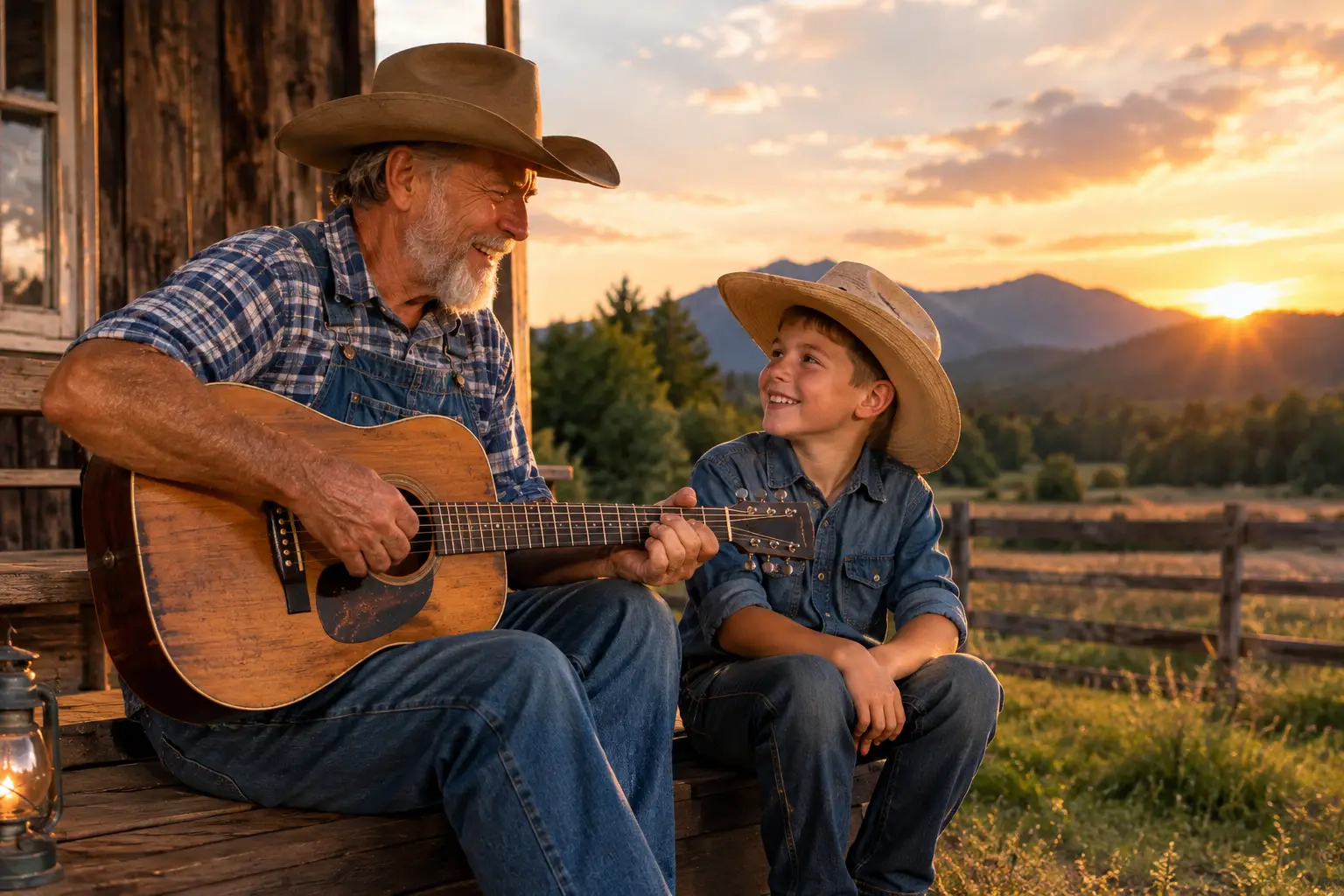
Every town has somebody who remembers when the highway was gravel, when the mill was running, or which family first settled a certain ridge. Those stories are local history, and once they are gone, they are gone for good.
Make time to ask questions. Record a grandparent telling about their first job. Ask an old rancher what weather signs they trust. Sit with a retired teacher, veteran, mechanic, farmer, or coal miner and let them talk. You do not have to agree with every opinion from another generation to recognize the value of their experience.
Respect is not blind obedience. It is listening long enough to understand how people got where they are. That is a habit this country could use a heap more of.
Knowing Your Place and Caring for It
Country tradition has always included a working relationship with the land. Folks hunted, fished, farmed, raised livestock, cut wood, canned produce, and watched the weather because ignoring nature was a fast way to learn a hard lesson.
That relationship is worth preserving with care. Take kids fishing and teach them to respect limits. Show them how to leave a campsite cleaner than they found it. Buy from local growers when you can. Learn the names of the trees, creeks, birds, and roads around home. Pride in place is not just flying a flag on the porch. It is keeping your ditches free of trash and treating the land like somebody else will inherit it someday.
There is a trade-off, of course. Not every old way should be kept just because it is old. Some traditions excluded people, wasted resources, or treated silence like strength when somebody needed help. Keep the parts built on dignity, stewardship, hard work, hospitality, and common sense. Leave the foolishness where it belongs: back in the past.
Keep the Porch Light On
A front porch is not magic. It is just boards, posts, a few chairs, and maybe a dog keeping watch on the yard. Yet it represents something many folks miss: the willingness to be available to one another.
You can preserve that spirit anywhere. Wave at people. Learn names. Invite somebody over for supper. Stop long enough to talk at the feed store, the ball field, the diner, or the mailbox. Put the phone down when someone is telling you something that matters.
Backwoods America knows country heritage is not a costume and it sure ain’t a museum display. It is a living code, carried by people who work hard, keep their word, love their families, and show up when it counts. Keep those habits alive in your own corner of the map. One meal, one story, one favor, one gathering at a time – that is how a community stays a community.