
The loudest person in town is not always the one folks remember. More often, it is the fellow who plows the church parking lot before daylight, the woman who knows which family could use a grocery card, or the coach who keeps a teenager from slipping through the cracks. These hometown hero examples are not about capes, cameras, or folks fishing for applause. They are about people who see a need, roll up their sleeves, and get after it.
That kind of character is the backbone of small-town America. It shows up in farm country, mountain hollers, fishing villages, ranch towns, factory communities, and every place where somebody still waves from a pickup. A hometown hero is not always famous, but Lord knows their work leaves a mark.
What Makes Somebody a Hometown Hero?
A hometown hero does not need a job title, a fancy ceremony, or a framed newspaper clipping. They earn that name by being dependable when dependable matters. They help without keeping score. They keep their word. They make room at the table, lend a hand after a storm, and stand beside people on their hard days.
That does not mean heroes have to be perfect. Most are regular folks with bills, sore backs, family worries, and a to-do list longer than a country mile. The difference is that they choose to care anyway. They understand an old truth: a community is not held together by a town sign or a ZIP code. It is held together by people looking out for one another.
10 Hometown Hero Examples Worth Celebrating
1. The Volunteer Firefighter Who Drops Everything
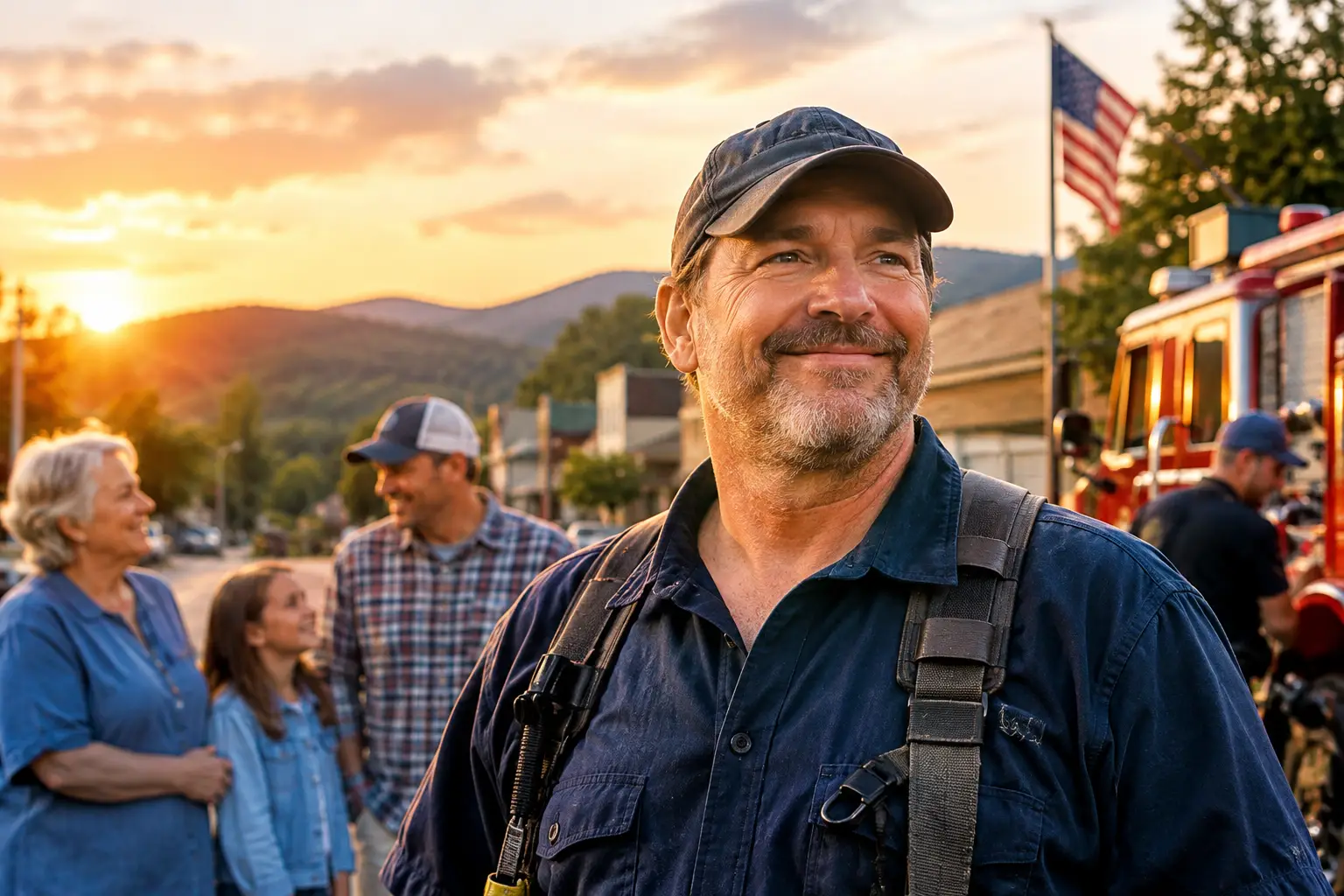
A volunteer firefighter may be eating supper, fixing a fence, or finally getting some sleep when the pager goes off. Then they head toward a wreck, a brush fire, or a neighbor’s worst day while everybody else is trying to get clear of it.
Their service is not glamorous. Training nights, fundraisers, equipment checks, and long calls ask plenty from a family. Still, volunteer departments keep countless rural communities safe. If your local crew is selling barbecue plates or hosting a fish fry, support them. That plate may help put fuel in a truck or gear on a firefighter’s back.
2. The Teacher Who Sees More Than a Report Card
Every one of us can name a teacher who made school feel less like a building and more like a chance. This hometown hero notices when a kid is hungry, discouraged, grieving, or carrying more weight than a young person ought to carry.
They may stay late to tutor, keep snacks in a desk drawer, cheer at ball games, or tell a quiet student, “You can do this,” until that student believes it. Good teachers do not just teach reading, welding, music, or math. They help build capable adults for the whole community.
3. The Coach Who Builds Character, Not Just a Win Record
Winning feels good, and there is nothing wrong with a packed stadium on Friday night. But the best coach knows the scoreboard is not the whole story. They teach young people to show up on time, take correction, respect opponents, work with a team, and shake off a bad play without quitting.
That lesson carries a whole lot farther than the ballfield. A coach who holds kids accountable while letting them know they matter is doing community work, plain and simple.
4. The Neighbor Who Organizes Help After Disaster
When floodwater rises, tornadoes tear through, or a house burns down, there is usually somebody who starts making calls before the smoke clears. They round up meals, clothes, chainsaws, hay, tarps, generators, and hands willing to work.
They may never call themselves an organizer. Around here, they are just “the one who knows who to ask.” That is a gift. The best help is respectful, practical, and aimed at what a family actually needs – not what looks good in a social media post.
5. The Small-Business Owner Who Invests in People
A local business owner can be a hometown hero without owning the biggest building on Main Street. Maybe they hire teenagers for their first job, sponsor the Little League team, buy livestock auction ads, donate food for a benefit, or let a customer carry a bill through a rough month.
Small businesses cannot say yes to every request, and folks ought to respect that. Margins are tight, especially in small towns. But owners who treat employees fairly, pay local vendors, and put roots down where they work help keep a community alive. Ain’t that the truth.
6. The Farmer or Rancher Who Shares What They Have
Country people understand that weather can humble anybody. One bad hailstorm, drought, sick herd, busted piece of equipment, or late freeze can turn a good season sideways in a hurry. That is why the farmer who brings equipment, feed, labor, or plain old hard-earned know-how to a neighbor in trouble means so much.
It is not charity with a spotlight on it. It is the country code in motion: when somebody’s barn is down, you show up with gloves, tools, and enough sense to ask where you are needed.
7. The Librarian, Pastor, or Community Volunteer Who Keeps Doors Open
Some heroes keep a town connected in quieter ways. They run the food pantry, open the church fellowship hall for a benefit supper, keep the library’s kids program going, deliver meals to seniors, or make sure the community center does not sit dark and forgotten.
These folks often work behind the scenes. Their reward may be a handwritten thank-you note, a tired smile, or nothing at all. Yet the places they protect give people somewhere to gather, learn, grieve, celebrate, and belong.
8. The Mechanic Who Gets Somebody Back on the Road
In a rural town, a broken truck can mean missed work, missed doctor appointments, missed school, or no way to haul feed. That is why the mechanic who stays late to get a single mom’s car running or helps an elderly neighbor understand a repair is doing more than turning wrenches.
Fairness matters here. A hometown hero does not have to work for free, and skilled labor deserves honest pay. But explaining the problem plainly, charging fairly, and treating people with respect can make a world of difference when somebody is already stressed to the max.
9. The Young Person Who Chooses to Serve
Heroes are not all gray-haired veterans of the community. Sometimes they are teenagers collecting coats, organizing a creek cleanup, checking on an elderly neighbor, raising money for a family in need, or speaking up when somebody is being left out.
Young folks catch plenty of grief from adults who forget what it was like to be young. Give credit where it is due. When a kid chooses service over showing off, encourage it. That is how a strong hometown tradition gets passed down instead of fading away.
10. The Quiet Helper Nobody Sees
This may be the truest example of all. The quiet helper drives a neighbor to treatment, covers a shift, repairs a porch step, visits the lonely, takes a meal to a new parent, or sits through a hard conversation without judgment.
They do not need their name on a plaque. They understand that dignity matters. Sometimes the greatest kindness is helping somebody through a tough patch without making them feel like a project.
How to Honor Hometown Heroes Without Making It All About Praise
Recognition matters, especially because steady service can wear a person down. Thank people by name. Show up for their fundraisers. Buy from the businesses that invest locally. Nominate deserving volunteers for awards if your town has them. Better yet, take a shift, bring supplies, or offer a useful skill.
Just do not turn appreciation into a popularity contest. The person with the biggest following is not automatically doing the most good. A real hometown hero may be too busy stacking chairs after the benefit to see the photo that got posted.
There is also a limit to what one good-hearted person can carry. Communities sometimes lean so hard on the same dependable folks that they burn out. If you know somebody who is always helping, ask what would actually lighten their load. Maybe they need volunteers, childcare, a donated meal, or simply permission to take a breath.
Be the Kind of Neighbor Your Town Can Count On
You do not have to run into a burning building or save the county fair to matter where you live. Start close to home. Learn your neighbors’ names. Check on the older fellow down the road after a hard freeze. Show up when a local family needs help. Spend a few dollars at the fundraiser instead of scrolling past it.
Small towns do not need more folks talking about community while somebody else does the work. They need people willing to get their boots dirty, keep their word, and leave a place better than they found it. That is how ordinary people become the kind of hometown hero others remember for generations.