
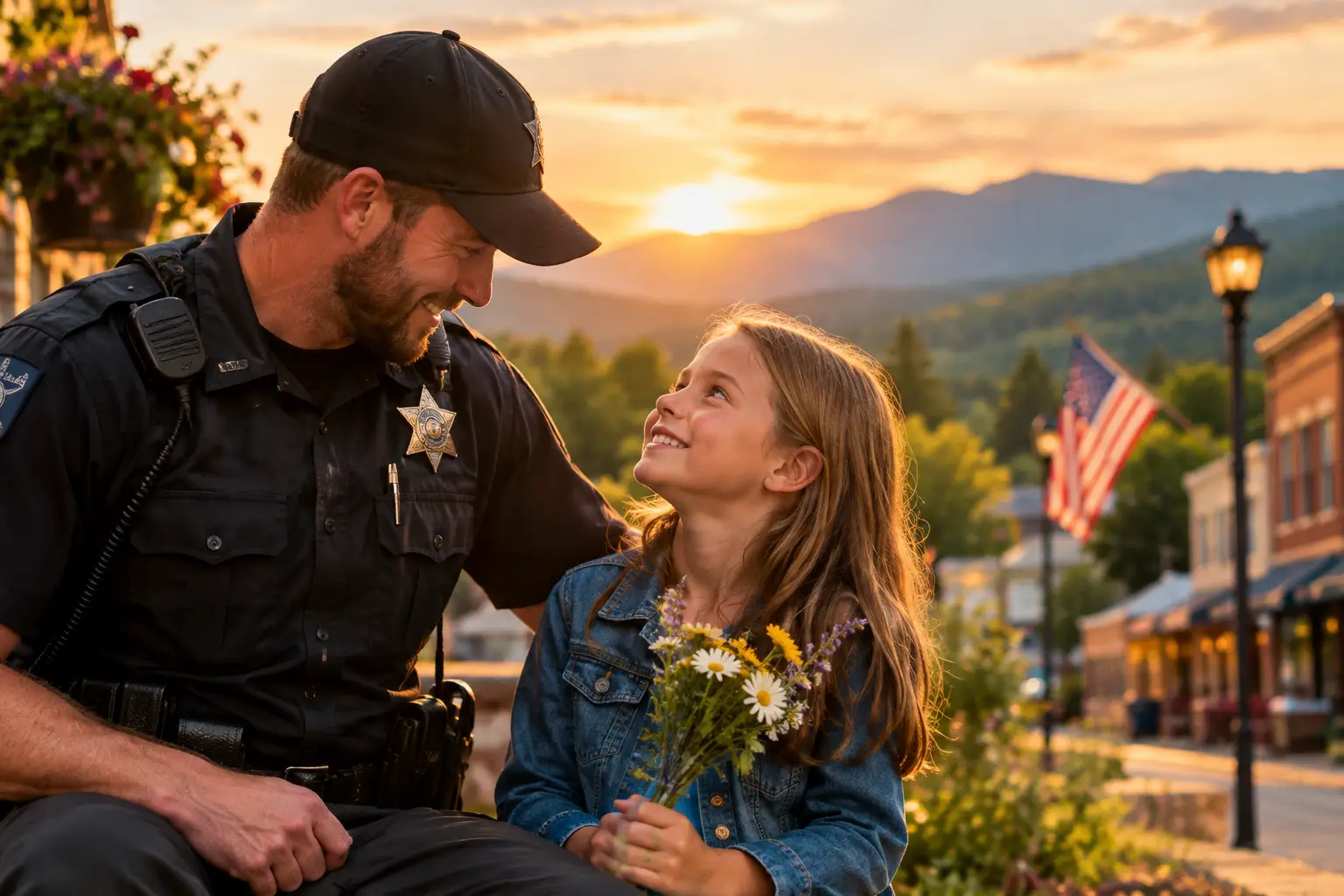
A washed-out road. A family whose house caught fire. A fundraiser jar sitting beside the register at the local diner. In the places most of America drives past without a second thought, inspiring stories about small-town heroes are happening every day. They rarely come with a movie soundtrack or a news crew. More often, they come with muddy boots, a pickup truck, a hot casserole, and somebody saying, “Well, we couldn’t just leave ’em hanging.”
That right there is the country code.
Small towns know something plenty of bigger places forget: a community is not a dot on a map. It is people who recognize your truck, ask about your mama, remember when your kids were knee-high, and show up before you have finished figuring out what to do next. Heroes live in those communities, but they do not always call themselves heroes. Truth be told, most would rather change the subject and get back to work.
Why Small-Town Heroes Matter So Much
A small-town hero is not always a firefighter charging into danger, though Lord knows those folks deserve every bit of respect they get. Sometimes it is the volunteer who spends Friday nights coaching ball, then spends Saturday morning repairing the field fence. Sometimes it is the lady at the food pantry who knows which family needs a little extra dignity with their groceries. Sometimes it is the mechanic who fixes a single mom’s brakes and says, “Pay me when you can.”
The difference is proximity. In a small town, people see the need up close. They know which porch light has not come on lately. They notice the empty chair at church, the farm gate that has stayed shut too long, or the old neighbor whose driveway needs clearing after a hard snow. There is less room to pretend somebody else will handle it.
That does not mean every small town is perfect. Folks can be stubborn. Old grudges can hang around longer than a mosquito at a July cookout. Resources can be thin, jobs can be scarce, and emergencies do not wait for a town budget meeting. But that is exactly why ordinary people stepping up carries such weight. They are not working with unlimited money or a fancy public relations department. They are working with what they have, who they know, and a firm belief that neighbors ought to help neighbors.
Inspiring Stories About Small-Town Heroes Are Built on Showing Up
The best stories are often not about one grand moment. They are about a person who keeps showing up long after the applause would have faded.
Think about the volunteer fire departments scattered across rural America. These men and women leave dinner tables, birthdays, sleep, and sometimes paid work when a pager goes off. They train because the worst day of somebody else’s life may land in their lap. In many communities, they also organize fundraisers, teach fire safety at the school, help after storms, and check on elderly residents when winter gets rough.
That kind of service does not make somebody flashy. It makes them dependable. And dependable is one of the finest things a person can be.
Then there are the local business owners who understand that a town is more than transactions. The diner owner who feeds a crew after a tornado. The hardware store that lets folks put storm supplies on a tab. The barber who quietly takes up a collection for a neighbor battling illness. The feed-store owner who remembers a young farmer’s first season was a rough one and finds a way to help him stay in the fight.
Nobody is pretending those acts alone solve every hardship. Sometimes people need professional services, long-term support, or help from outside the county line. A casserole cannot fix every problem, bless its heart. But kindness can buy time, protect a person’s dignity, and remind somebody that they have not been forgotten. That matters more than folks realize.
The Quiet Heroes Usually Avoid the Spotlight
The country way has never been much about puffing out your chest and announcing every good deed from the courthouse steps. A lot of heroes would rather folks not make a fuss.
They are the retired teacher still helping kids learn to read. The veteran who drives neighbors to medical appointments. The farmer who brings his tractor to pull strangers from a ditch. The ranch hand who spends his Sunday repairing a widow’s fence before her livestock can wander off. The crossing guard who knows every child by name and makes sure they get home safe.
Their work can look plain from the outside. But plain does not mean small.
A child who feels seen by a coach may carry that confidence for years. A struggling family that receives help without shame may get enough breathing room to stand back up. A teenager with nobody to talk to may be changed by one adult who says, “You’ve got more in you than you think.” Big hearts do not always make big noise.
What Makes a Hero Different From a Good Neighbor?
Maybe the honest answer is that the line is not always clear. In small-town America, being a good neighbor is often heroic because it requires sacrifice. It costs time, money, energy, sleep, or comfort. It may mean stepping into somebody else’s trouble when your own plate is already full.
Heroism also has less to do with being fearless than folks assume. A person can be tired, worried, short on cash, and still choose to do the right thing. They can speak up when somebody is being treated wrong. They can check on a neighbor after a flood. They can volunteer for the job nobody wants. Courage is not always standing tall in a dramatic moment. Sometimes it is answering the phone when it rings at 2 a.m.
And heroes are not flawless saints carved out of marble. Good Lord, if perfection were the entry fee, there would not be a single hero left in the county. Real people mess up, get aggravated, and have days when they would rather stay home. What matters is the pattern of their life: they keep their word, lend a hand, and do not disappear when things get hard.
How a Town Keeps Its Heroes Going
Here is the part people miss: communities cannot just praise heroes after the fact. They have to support them while the work is happening.
Volunteer departments need members, training, equipment, and steady fundraising support. Local nonprofits need donations, but they also need dependable hands to sort supplies, make calls, drive deliveries, and organize events. Teachers, coaches, nurses, caregivers, clergy, and small-business owners need appreciation that is more than a Facebook comment once a year.
Start close to home. Attend the pancake breakfast. Buy from the fundraiser when you can. Thank the folks who run the youth league, clean up the fairgrounds, stock the community pantry, and serve on the rescue squad. If you have a useful skill, offer it. If you have an old truck, a chainsaw, a spare hour, or a talent for organizing folks, there is likely a need for it somewhere nearby.
That does not mean saying yes to every request until you run yourself ragged. Even the strongest people need boundaries, rest, and help of their own. The goal is not for one good soul to carry an entire town on their back. The goal is for more people to carry a corner of the load.
The Story Worth Passing Along
America has plenty of loud voices competing for attention. Small-town heroes offer something better: proof that character is still alive and well in the places where people get their boots dirty and look after one another.
Their stories deserve to be told carefully, without turning real kindness into a cheap spectacle. Give credit where it is due. Ask permission when sharing somebody’s private hardship. Focus on the service, the community, and the good that came from people pulling together. That is how a story becomes more than feel-good content. It becomes a reminder of what we owe each other.
Backwoods America has always believed small towns have big hearts for a reason. The next hero may be standing behind you at the gas station, opening up the church kitchen before daylight, or driving down a back road with a toolbox in the bed of their truck.
So pay attention. Thank them. Better yet, be the kind of person whose neighbors know they can call when the road gets rough. That is where the finest stories begin.