
A town can have a pretty courthouse, a fresh coat of paint on Main Street, and a sign big enough to see from the county line. But if folks pull in, buy gas, and keep driving, it has not built a brand. It has built a backdrop. Learning how to build a small town brand means giving people a real reason to stop, stay awhile, spend a little money, and tell somebody else, “You ought to see that place.”
That reason cannot be cooked up in a conference room by somebody who has never eaten at the diner or shaken hands at the Friday night ballgame. A strong town brand comes from what is already true: the people, the pride, the work, the stories, and the way neighbors show up when the chips are down. Fire the fluff. A small town does not need to pretend it is Nashville, Aspen, or some polished resort town. It needs to be more fully itself.
Start With What Your Town Would Fight to Keep
Every town has a heartbeat, though it may not always be printed on a brochure. Maybe it is a family-owned hardware store that has saved more busted water lines than anybody can count. Maybe it is a bluegrass festival, a rodeo, a fishing lake, a historic mill, a legal distillery, a truck show, or the volunteer fire department’s fish fry.
The question is not, “What looks good in a logo?” Ask, “What would the folks here hate to lose?” That is where the honest brand lives.
Get a handful of people in the same room: business owners, young parents, old-timers, teachers, artists, farmers, volunteers, and folks who moved away but still come home for Christmas. Let them talk plain. Ask what makes them proud, what visitors always notice, and what local traditions deserve more attention. You are listening for patterns, not trying to win a slogan contest before lunch.
Maybe your town is known for grit and craftsmanship. Maybe it is warm hospitality and front-porch music. Maybe it is the place where outdoor folks come to hunt, fish, ride, hike, or paddle. A brand should claim one clear feeling people can recognize, while leaving room for the many good things happening around it.
How to Build a Small Town Brand Without Making It Fake
The biggest mistake is confusing branding with decorating. A logo, color palette, and catchy phrase can help, sure. But they cannot cover up empty storefronts, confusing information, or a welcome that feels colder than a January fence post.
Start by making the real experience match the promise. If your town says it is friendly, visitors should be able to find parking, restrooms, food, directions, and a few helpful faces without needing a treasure map. If it celebrates local makers, give those makers a visible place to sell, demonstrate, and tell their stories. If the brand is built around history, make that history easy to see and understand beyond one weathered plaque nobody can read.
A good test is simple: could a local kid explain the town’s story without sounding like they swallowed a tourism brochure? If not, the language is probably too fancy. Plain words carry farther. “Come for the river, stay for the people” may do more work than three paragraphs of marketing talk.
There is a trade-off here. A town should not try to appeal to every possible visitor. Chasing everybody usually leaves you with a message nobody remembers. A mountain town may lean into trails, local music, and outfitters. A farm community may center harvest traditions, country cooking, and maker markets. A town with motorsports roots may celebrate garages, classic rides, and race weekends. Pick the truth with the strongest legs, then build from there.
Put Real People in Front of the Brand
Folks trust people before they trust signage. The best small-town brands have faces, voices, and stories behind them.
Tell the story of the woman who runs the bakery before daylight. Show the veteran teaching kids to cast a fishing line. Introduce the third-generation mechanic, the volunteer coach, the woodworker, the musician keeping old songs alive, or the young couple reopening a downtown building when plenty of people said it could not be done.
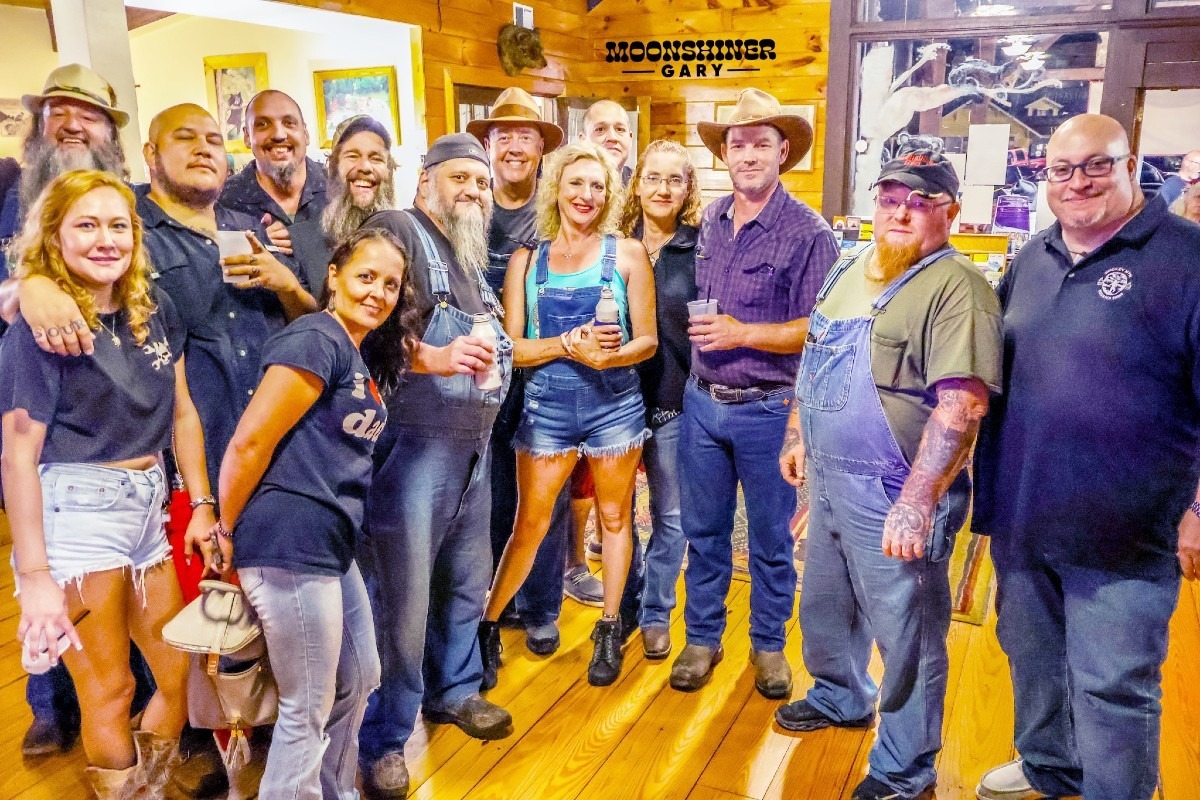
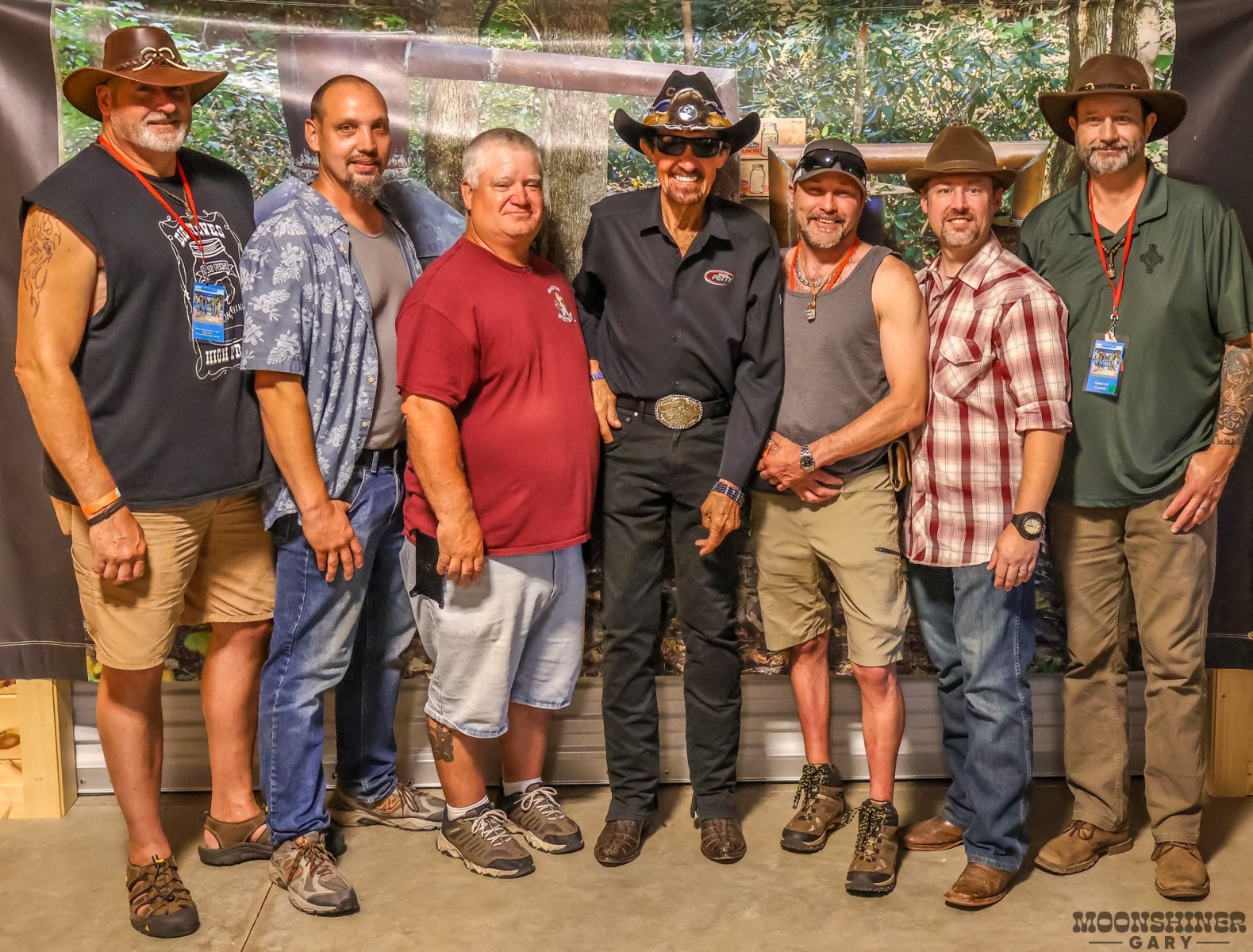
This is not about making anybody into a mascot. It is about showing the character of a place through the people who earn it every day. Take honest photos. Record short videos where people talk the way they actually talk. Let a little laughter, mud on the boots, and imperfect hair be part of the picture. Good Lord, not every image needs to look like it came from a catalog.
Use these stories across town channels, business pages, event materials, and local media. A steady stream of true stories creates a stronger identity than one expensive ad campaign that disappears after a month. Backwoods America has built its work around that same idea: real people are never boring when somebody bothers to tell their story right.
Give Visitors Something to Do, Not Just Something to Read
A brand becomes real when it gives people an experience worth repeating. If your town’s story is food, create a tasting trail, a seasonal supper, or a market day. If it is music, make room for porch pickin’, song circles, and local stages. If it is outdoors, connect the trailhead, bait shop, campground, diner, and gear rental into one easy plan.
The point is not to manufacture a festival every other Saturday until volunteers are worn slap out. It is better to have two or three dependable traditions done well than a calendar full of half-hearted events. Consistency builds trust. Folks will drive for an annual event they know is welcoming, organized, and worth the gas money.
Pay attention to the little things, too. Clear signs, clean public spaces, updated event details, and businesses keeping sensible hours may not sound glamorous, but they are part of your reputation. A visitor who cannot find the antique shop, learns the advertised restaurant closed two years ago, or arrives at a locked museum will remember that frustration more than the pretty mural.
Make Local Businesses Part of the Story
A town brand cannot belong only to city hall, a chamber office, or one loud business owner. It needs to help the people keeping the lights on downtown and out on the back roads.
Give businesses simple ways to join in. They can use shared language, display town materials, offer a signature item during an event, or tell their own piece of the larger story. A coffee shop and a feed store may serve different crowds, but both can represent the same values: hard work, welcome, and local pride.
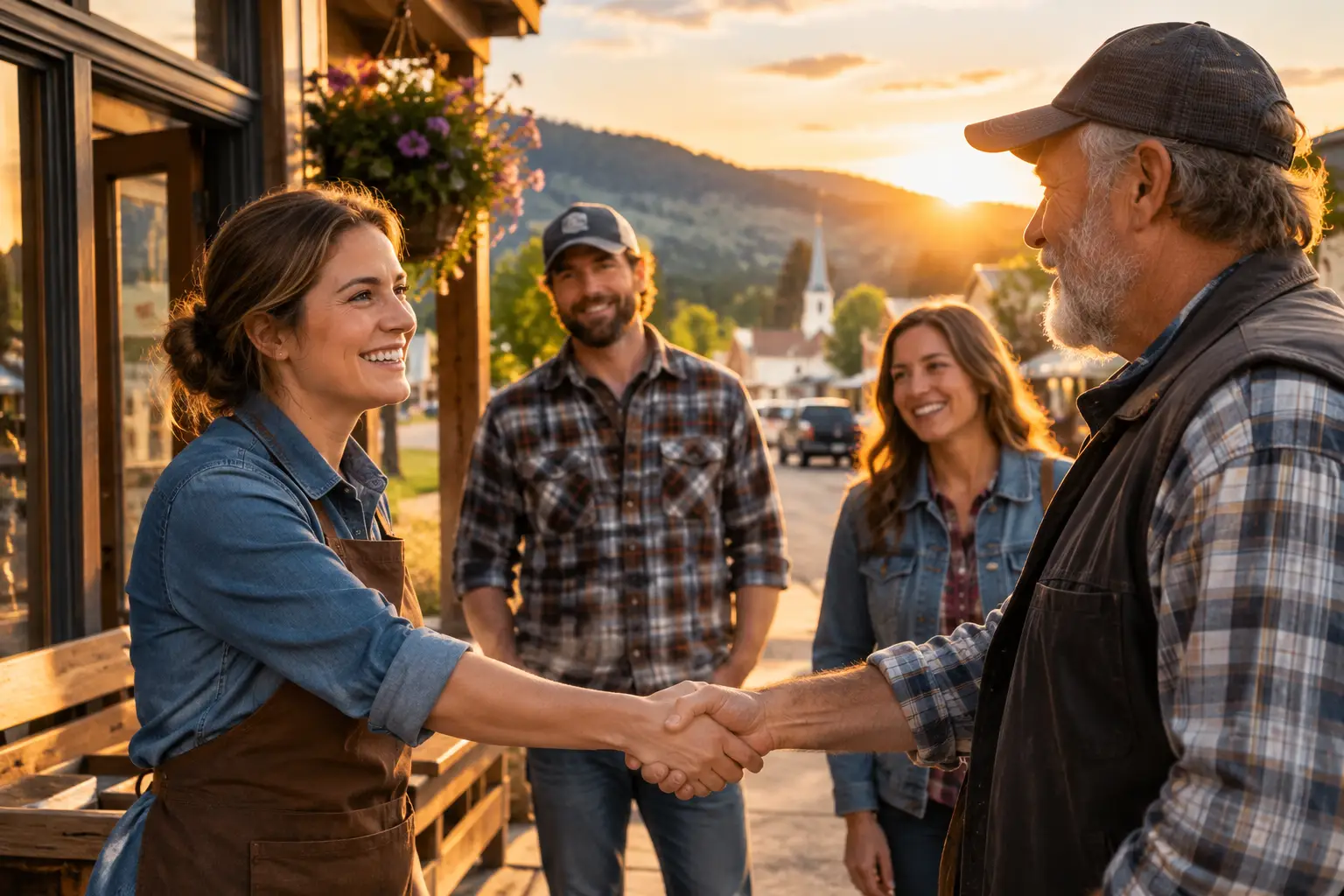
At the same time, do not demand that every business look or sound identical. That is corporate nonsense, and it drains the life right out of a place. The old-fashioned barber shop, the modern boutique, the farm stand, and the garage should each keep their own personality. The town brand is the handshake between them, not a uniform everybody has to wear.
Let the Next Generation Have a Say
Small towns often talk about keeping young people around, then build every decision around memories from 1987. Tradition matters. So does making room for the folks who will carry it forward.
Ask younger residents what they want to see. They may care about better gathering spaces, live music, murals, outdoor recreation, reliable online information, or chances to start a business without having to leave home. Their ideas may not all fit, and that is fine. But if they never get heard, they will assume the town brand is just another story about a past they did not get to shape.
The strongest communities honor their roots while planting something for tomorrow. Ain’t that the truth.
Measure the Feeling, Then Mind the Numbers
You will know a brand is working when locals speak about their town with more confidence and visitors start repeating the same good stories you hoped they would. Watch for fuller event attendance, more foot traffic, repeat visitors, new business interest, volunteer sign-ups, and residents sharing town happenings without being begged to do it.
Numbers matter, but they are not the whole hog. A packed festival that leaves local merchants frustrated and volunteers exhausted is not a victory. Growth should fit the town’s capacity and protect what made the place worth visiting in the first place.
Build slowly if you have to. Keep your word. Celebrate the folks already doing the work. A small town brand is not a shiny campaign you launch and forget. It is a promise your community makes every time somebody turns off the highway, walks through the door, and asks, “What’s this place about?” Make sure the answer feels like home.