
A good hometown event can pull off something most big-city productions cannot: it can make a hardware store owner, a volunteer fireman, a high school band kid, and a family fresh off the hayfield feel like they all belong in the same picture. That is why small town event sponsorship ideas ought to be about more than sticking logos on a banner. Done right, sponsorship gives local businesses a meaningful seat at the table and helps an event become a tradition folks talk about all year.
The trick is to quit selling vague “exposure” and start offering real connection. A local business does not need to act like a Fortune 500 company. It needs a fair chance to meet customers, support its neighbors, and be proud of where its dollars went. Here are 12 ways to make that happen without turning your festival into a billboard parade.
Start With a Sponsorship Story Folks Can Believe In
Before asking anybody for a check, get plain about what the event is protecting, celebrating, or building. Maybe it keeps the county fair alive. Maybe it funds youth sports, honors veterans, supports a volunteer rescue squad, or gives local musicians a stage. That story is your strongest sponsorship tool.
Give every potential sponsor a simple picture of the impact: who comes, what their support pays for, and what the community gets to enjoy because they stepped up. Numbers help, but heart matters too. “Your support helps keep the kids’ fishing derby free” lands a whole lot stronger than “Gold package includes marketing impressions.”
Small Town Event Sponsorship Ideas With Real Local Pull
1. Sponsor the moment people remember
The best opportunities are not always the biggest ones. Let a business sponsor the fireworks finale, opening prayer, parade lineup, pie contest, tractor pull, kids’ zone, or Saturday-night dance. Folks remember moments, and the sponsor becomes tied to one.
Keep the fit sensible. A farm supply store sponsoring the livestock show makes sense. A local diner sponsoring the pancake breakfast is a natural match. Good Lord, nobody needs a random logo slapped on the sweetheart cakewalk just because there was an empty spot.
2. Build a hometown hero sponsorship
Create a sponsorship that honors the people who keep a town running: teachers, nurses, farmers, veterans, coaches, utility crews, volunteer firefighters, and caregivers. A sponsor can help fund a recognition breakfast, reserved seating, appreciation gifts, or a simple on-stage thank-you.
This works because it lets a business show its values without hollering about itself. It also gives the event some backbone. People notice who shows up for the folks doing the hard work.
3. Give sponsors a useful job, not just a sign
A business can sponsor practical comforts that make the whole day better. Think free water stations, shuttle rides, hand-washing stations, charging areas, cooling tents, family rest zones, or designated driver programs.
Make the recognition clear but respectful: “Free cold water provided by Miller’s Market.” That is more useful and more memorable than a logo hidden between the port-a-potties. It proves the sponsor cared about the crowd, not just the camera angle.
4. Let local businesses underwrite free family fun
Admission costs can keep some families home, especially when parking, food, rides, and gas are already chewing up the budget. Offer sponsors a chance to cover a free activity: children’s crafts, a fishing clinic, face painting, bounce houses, a corn-hole tournament, or a community meal.
Be honest about the cost and the outcome. A sponsor may be more willing to pay for 300 free kids’ wristbands than to buy a mysterious “platinum visibility package.” Plain talk wins.
5. Create a Main Street passport
If your event takes place near local shops, invite businesses to participate in a passport program. Guests pick up a card, visit participating locations or booths, collect stamps, and enter to win a donated prize package.
Sponsors get foot traffic, visitors get a reason to wander beyond the main stage, and downtown gets a little life in its boots. Keep the rules easy. Nobody came to a peach festival to fill out paperwork like they are applying for a mortgage.
6. Offer a local maker and farmer sponsor lane
Small towns are full of people who make things with their hands: woodworkers, bakers, welders, candle makers, quilters, beekeepers, gardeners, and folks selling homegrown beef or produce. A larger local business can sponsor reduced booth fees for first-time vendors, youth entrepreneurs, or local farmers.
This is especially strong for events built around heritage, harvest, crafts, food, or country living. The sponsor earns goodwill, and the event becomes a launching pad for people trying to build something honest.
7. Put a sponsor behind local music
A music sponsor can cover sound equipment, a songwriter round, a youth talent contest, or a fair paycheck for regional performers. Do not treat musicians like background wallpaper. If they are bringing the energy, let the sponsorship help them do it right.
The business gets recognition before sets and on event materials. More importantly, it gets associated with giving local talent a shot. That story has legs long after the last guitar case gets loaded into a pickup.
8. Sponsor the volunteer crew
Volunteers are the engine under the hood of most hometown events. Feed them. Give them shirts, cold drinks, parking passes, or a post-event thank-you meal sponsored by a local business.
This is one of those humble ideas that says plenty about an organizer. When volunteers are treated well, they return. When they are treated like free labor with a folding chair, they remember that too. Bless your heart, but a volunteer crew needs more than a Facebook thank-you.
9. Make a cleanup and beautification sponsorship
Every good event leaves somebody with trash bags, tired feet, and a parking lot that looks like a raccoon hosted a family reunion. Invite a sponsor to fund recycling bins, cleanup supplies, flower planters, or a crew meal for volunteers handling teardown.
It may not sound glamorous, but it matters. A clean fairground and a happy host town make it easier to earn permits, recruit volunteers, and welcome the event back next year.
10. Give sponsors a place in the storytelling
Ask sponsors to share a short, genuine piece of local history: how long they have served the area, who started the business, or why the event matters to their family. Use those stories in your program, on social posts, from the stage, or in a display near their booth.
There is a line here. It should feel like community storytelling, not a sales pitch wearing cowboy boots. A family-owned tire shop’s 50-year history might be worth telling. A canned paragraph about “market-leading solutions” can stay in the city where it belongs.
11. Create a match-the-community challenge
For fundraising events, ask one business to match donations up to a set amount during a specific window. Announce the goal clearly and show progress where people can see it.
A matching challenge gives the crowd a reason to pitch in, even if they can only spare a little. It turns sponsorship from a private transaction into a community effort. That is powerful when the cause is local and the results are visible.
12. Build year-round partners, not one-day buyers
The strongest sponsors are not hunted down every spring like a lost hound dog. Keep them in the loop after the event. Send a thank-you with a few honest results, photos if you have permission, and a note about what their support made possible.
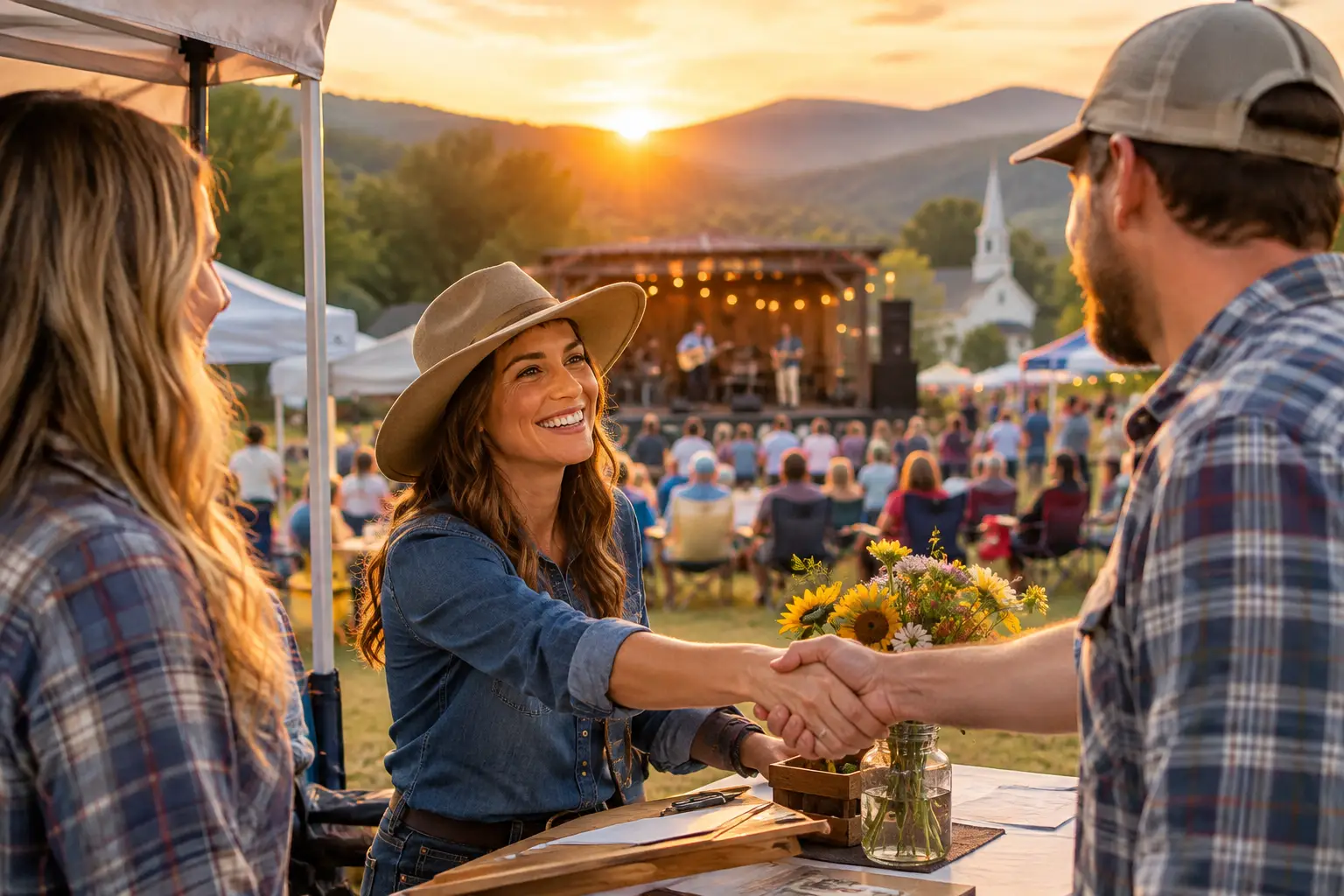
Then show up for them, too. Attend their grand opening, buy local when you can, and mention their good work when it is earned. Backwoods America knows community is not a transaction. It is a handshake that means something.
Make the Ask Clear and Fair
Put together a one-page sponsorship sheet with the event date, mission, audience, options, deadlines, and exactly what each sponsor receives. Offer a few straightforward levels, but leave room for custom support. A business may not have cash for the top package yet can provide printing, fuel, equipment, food, lodging, prizes, or skilled labor that saves the event serious money.
Do not promise crowds you cannot guarantee or social reach you cannot prove. Tell the truth, deliver what you promised, and thank people properly. That old country code still works: keep your word, do the work, and do not get too big for your britches.
Protect the Event’s Character
Not every dollar is worth taking. If a sponsor does not fit the event’s values, puts unfair demands on programming, or wants to drown the whole thing in branding, it is fair to say no. A small-town event belongs to the community first.
The right sponsor does not just rent attention for a weekend. They help make a place feel more like home. Give local businesses a way to support what matters, give families a day worth remembering, and you may build a tradition sturdy enough to outlast every temporary banner in the county.